
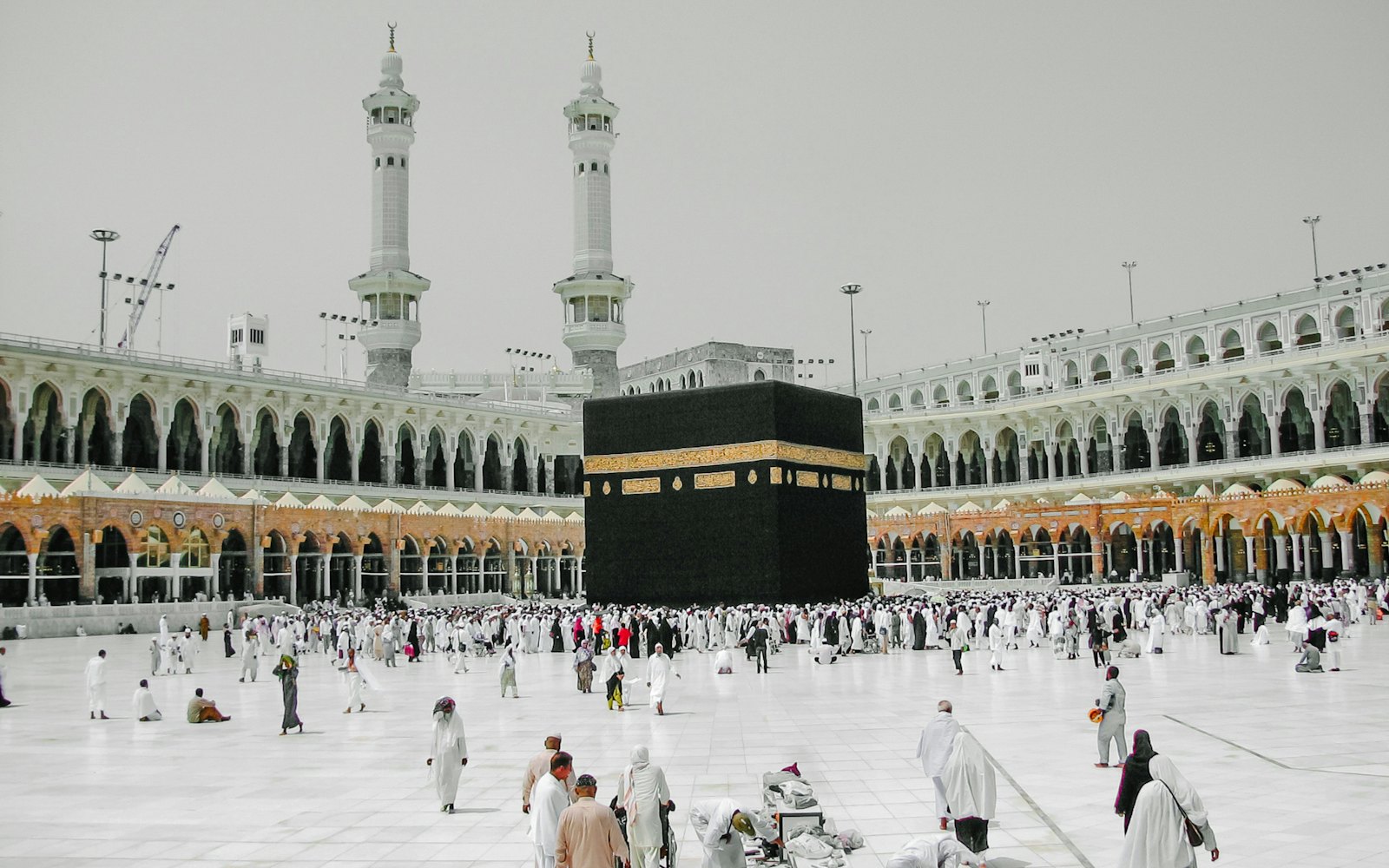
Umrah for Women: Ihram, Mahram Rules, Periods, Rawdah & Practical Tips (2026)
Women perform Umrah with the same four steps as men (Ihram, Tawaf, Sa’i, cutting the hair). There is no special Ihram dress – wear loose, modest clothing with the face and hands uncovered (no niqab or gloves in Ihram). Women aged 18+ can travel for Umrah without a mahram under Saudi rules, usually as part of an organised group. A woman on her period can enter Ihram and do everything except Tawaf and prayer, then complete Tawaf and Sa’i when she becomes pure. Rawdah visits for women have separate timings booked in Nusuk.
Thousands of women from Pakistan and the USA perform Umrah every month – with husbands, families, friends or women’s groups. A few rulings and practical details are different for women, and knowing them in advance makes the journey calm and confident. This guide is written with input from our female group leaders.
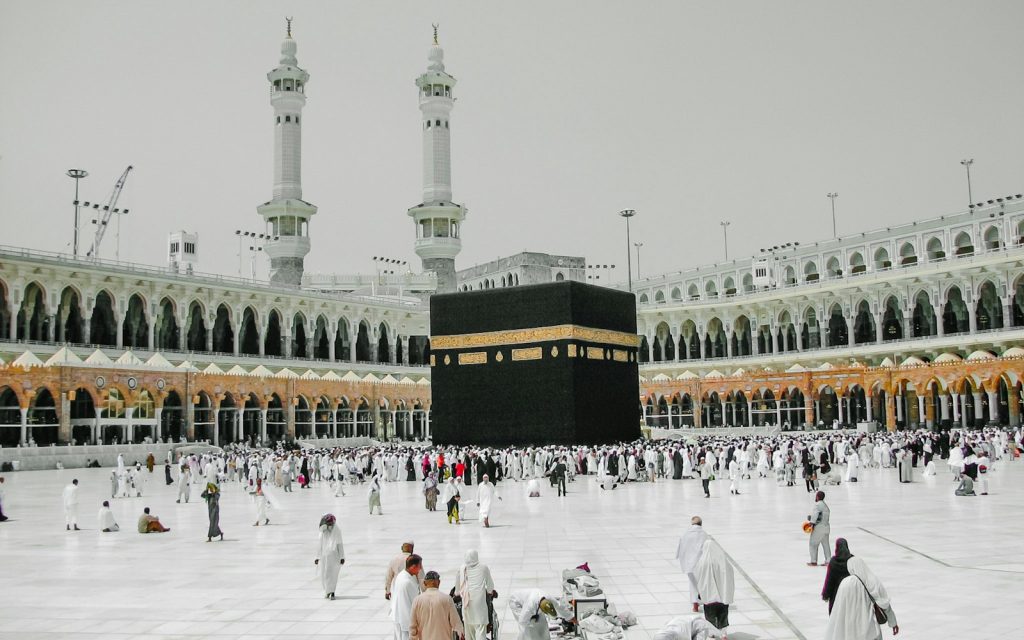
What women wear in Ihram
- Any colour of loose, modest clothing that covers the whole body except the face and hands. Many women choose white or black abayas, but colour is not required.
- The hair must be covered with a hijab; use an under-scarf so it stays in place in crowds.
- Not allowed in Ihram: niqab (face veil) and gloves. If men are near, a woman may lower part of her scarf over her face without it being a tied face veil, according to many scholars.
- Socks, shoes and normal undergarments are allowed.
- No perfume after the intention; use unscented soap and deodorant.
- Jewellery is allowed but keep it minimal for safety.
Mahram rules in 2026
- Saudi rules allow women aged 18 and above to obtain an Umrah or tourist visa and travel without a mahram; women travelling from Pakistan normally go as part of an organised group.
- Girls under 18 must travel with a parent or legal guardian.
- The religious ruling on travelling without a mahram differs between scholars and madhabs. Many families ask an elder or a trusted scholar – choose what you are comfortable with.
- Pakistani travellers: carry your CNIC and, if travelling with family, the NADRA family registration certificate.
Umrah steps for women (and small differences)
- Ihram and intention at the Miqat, then Talbiyah – women recite it quietly.
- Tawaf – seven circuits starting from the Black Stone line. Women do not do raml (brisk walking) or idtiba (uncovering the shoulder). Avoid pushing towards the Kaaba; the outer circles and upper floors are calmer.
- Two rak’ahs after Tawaf in the women’s area or anywhere convenient.
- Sa’i between Safa and Marwah – women walk normally, without jogging between the green lights.
- Taqsir – gather the hair and cut about a fingertip’s length (≈ 2–3 cm) from the end, in private (hotel room or women’s area). Women do not shave.
Full details: how to perform Umrah step by step.
Umrah during menstruation
- A woman on her period can and should enter Ihram at the Miqat (with intention and Talbiyah).
- She may do dhikr, dua, listen to Quran and visit places, but does not perform Tawaf or the prayer until she is pure.
- When the period ends, she takes a ghusl (bath), then completes Tawaf, Sa’i and Taqsir.
- If your period starts after Tawaf, you can still do Sa’i, as purity is not a condition for Sa’i according to most scholars.
- Some women take medicine to delay their period – consult your doctor well before travel.
- Plan extra days in Makkah if possible, so you don’t feel rushed.
Rawdah visit for women
- Book a free women’s Rawdah permit in the Nusuk app (choose the women’s service – a wrong choice means cancelling and rebooking).
- Women’s times are usually after Fajr until about 11 am and after Isha until 2 am (Friday timings differ).
- Women enter through designated women’s gates; staff guide the groups inside.
- Permits are limited (usually one visit per year), so book as soon as your Madinah dates are confirmed.
Prayer areas and facilities for women
- Both Haram mosques have large women’s prayer areas with separate entrances – ask for the “nisa” (women’s) gates.
- During Tawaf and Sa’i, men and women perform the rituals together; stay with your group or a female companion at crowded times.
- Women’s toilets and wudu areas are available near the gates; carry tissues and a small towel.
- Female staff are on duty in women’s areas to help.
Safety and comfort tips
- Agree on a meeting point and time with your mahram or group before entering the Haram.
- Carry a card with your hotel name and group leader’s number.
- Do Tawaf at less crowded times (late morning, after Dhuhr in winter, or after midnight).
- Wear comfortable, broken-in shoes; carry blister plasters.
- Use wheelchairs or electric carts if you are pregnant or elderly – see our health and safety guide.
- Pregnant women should consult their doctor before travelling.
Women’s packing list
- 3–4 abayas, 4–6 hijabs, under-scarves, pins and magnets.
- Long dresses or shalwar kameez to wear underneath.
- Unscented toiletries, sanitary products, small scissors for Taqsir.
- A light cardigan for air-conditioned areas.
- Small cross-body bag, shoe bag, tasbeeh, pocket dua book.
See the full Umrah packing list.
Frequently asked questions
What should women wear for Umrah?
Any loose, modest clothing that covers the whole body except the face and hands, with a hijab. There is no special Ihram dress for women, but niqab and gloves are not worn in Ihram.
Can women perform Umrah without a mahram?
Saudi rules allow women aged 18 and above to travel for Umrah without a mahram, usually with an organised group. Religious opinions differ, so families often consult a trusted scholar.
Can I perform Umrah during my period?
You can enter Ihram and do dhikr and dua, but you should not perform Tawaf or pray until your period ends. Then take a bath and complete Tawaf, Sa’i and Taqsir.
How much hair should women cut after Umrah?
Women cut about a fingertip’s length (2–3 cm) from the ends of their hair. Women do not shave their heads.
What are the Rawdah timings for women?
Women’s Rawdah timings are usually after Fajr until about 11 am and after Isha until 2 am, with different Friday timings. A Nusuk permit is required.
Women’s Umrah groups
Travel with our family and women’s groups, accompanied by experienced female guides.
Sources and official links
- Umrah visa rules 2026 – Wego
- Rawdah timings – KSA Expats
- Ministry of Hajj and Umrah – Rawdah permit
- Nusuk – official platform
Visa rules, fees and dates change often. This guide reflects information available on 1 November 2026. Always confirm with the official authority or with our team before you pay or travel.